Martha Eliot Health Fair 2026
09/19/2026
Author: Geraldine Loza Batres
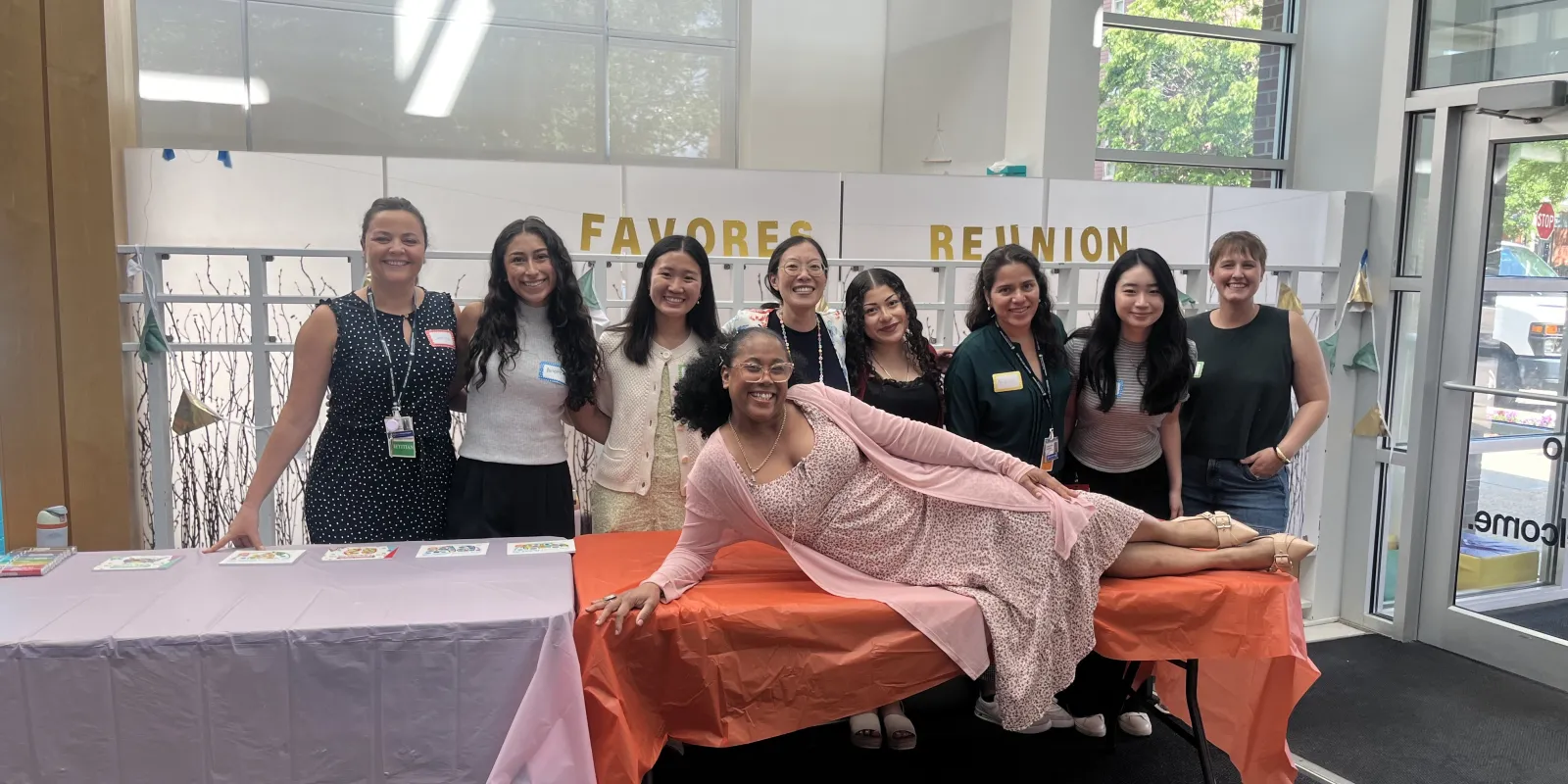
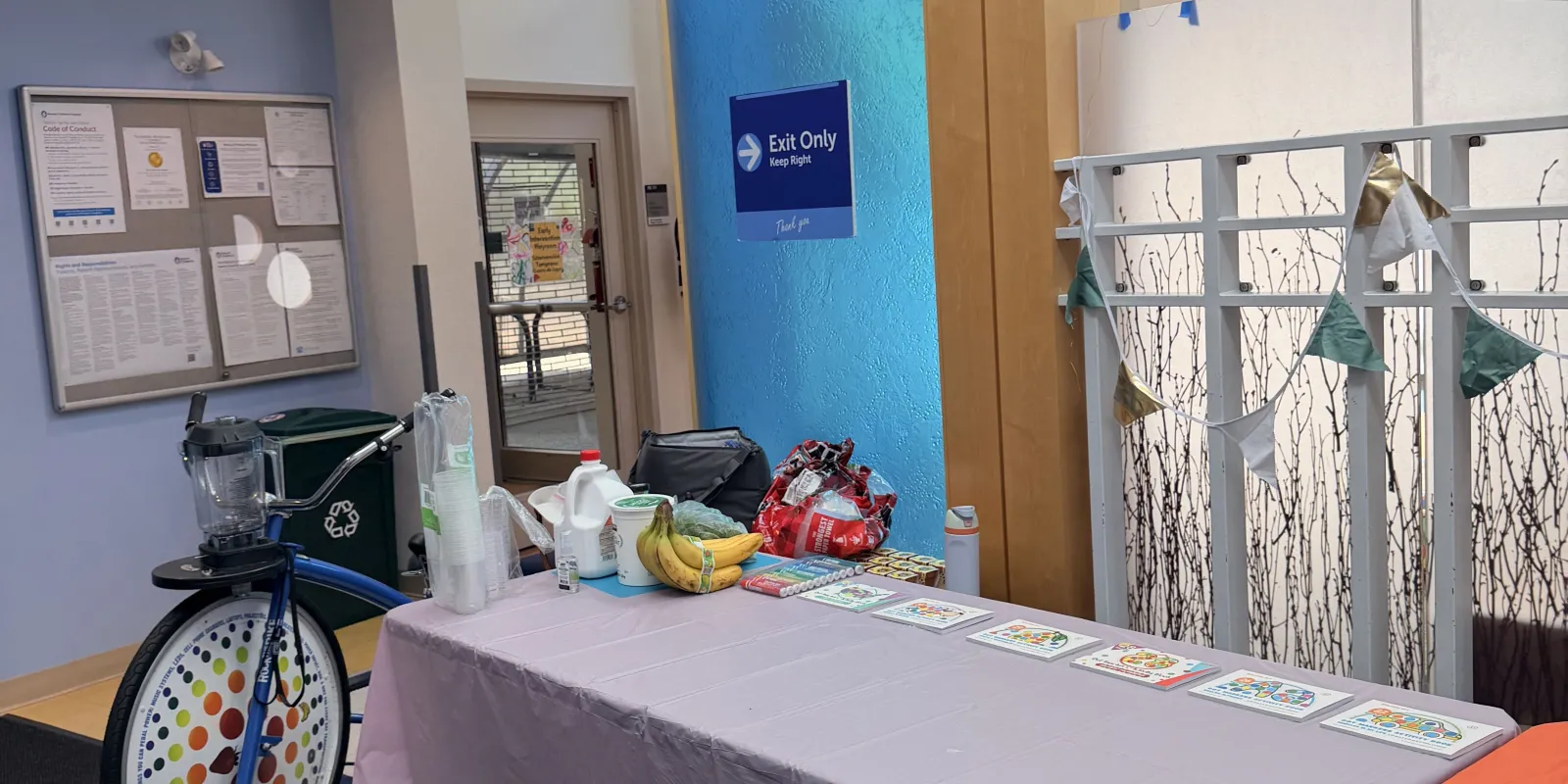
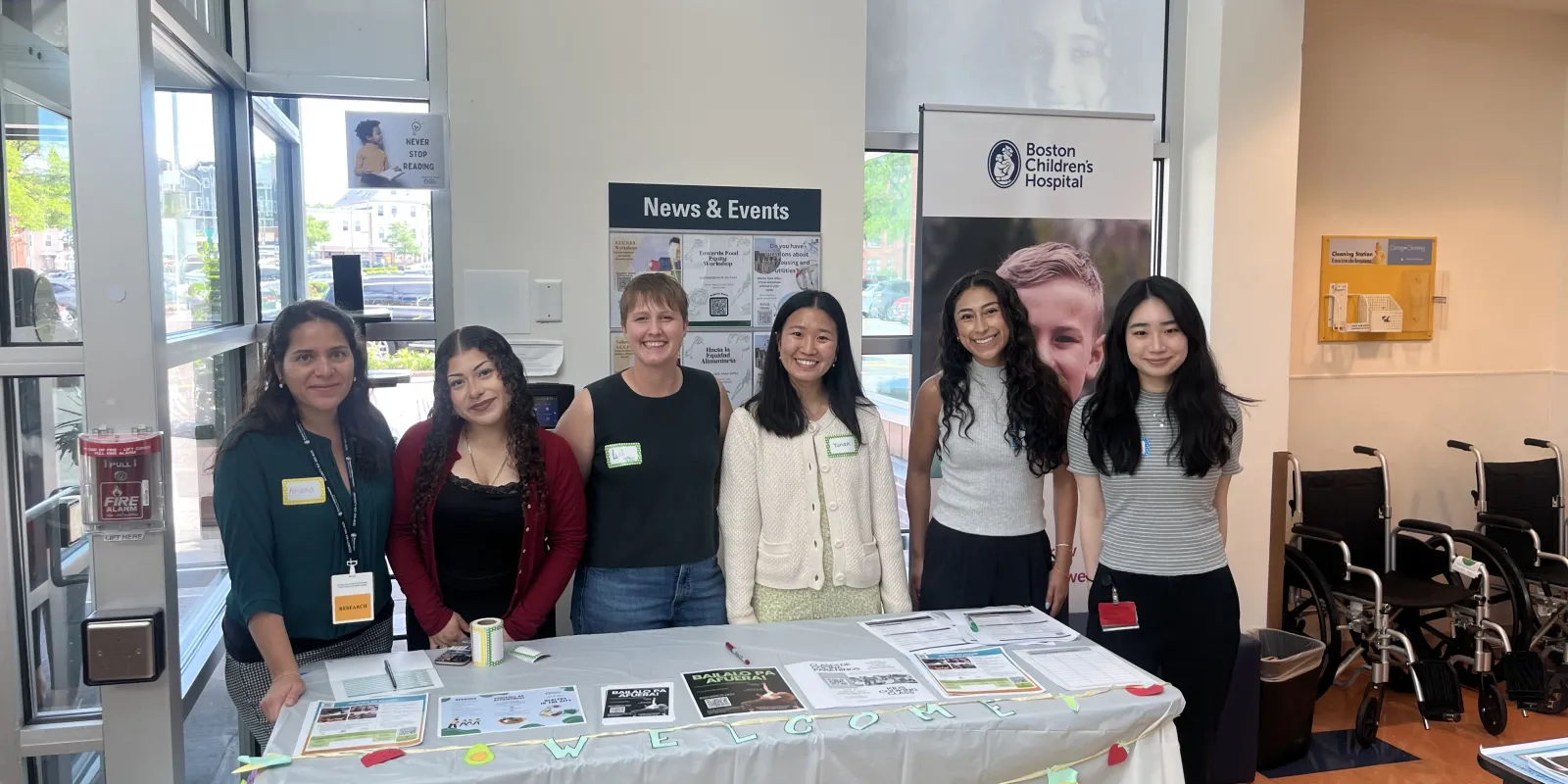
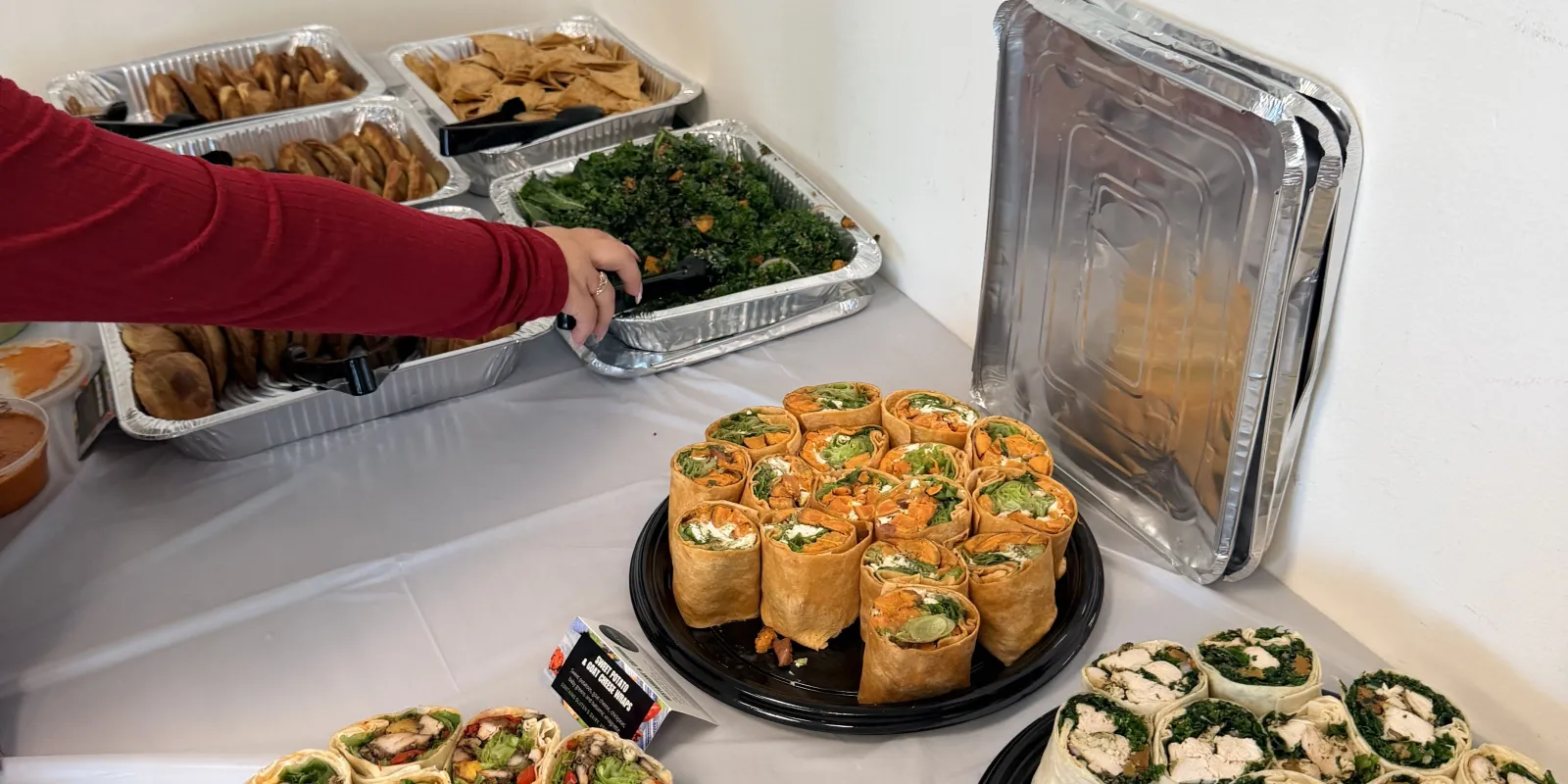
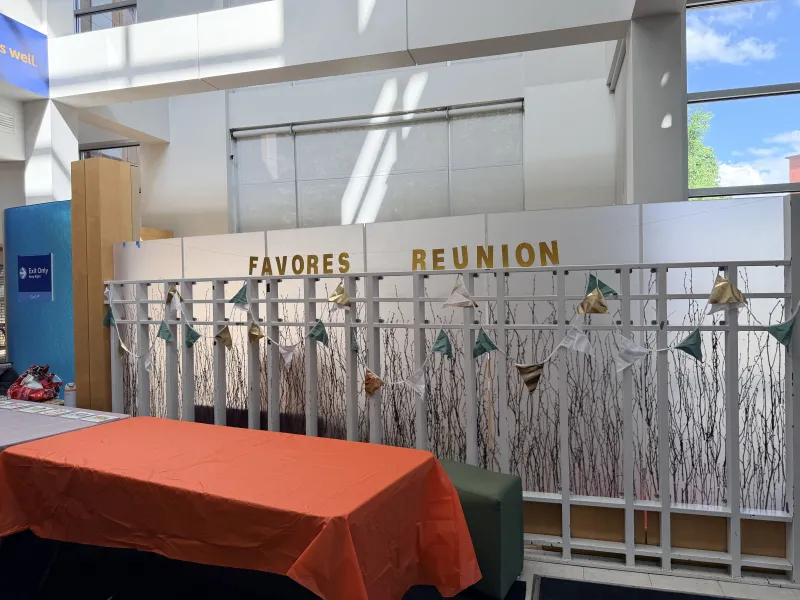
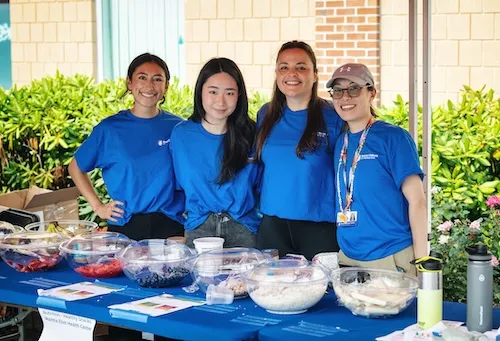
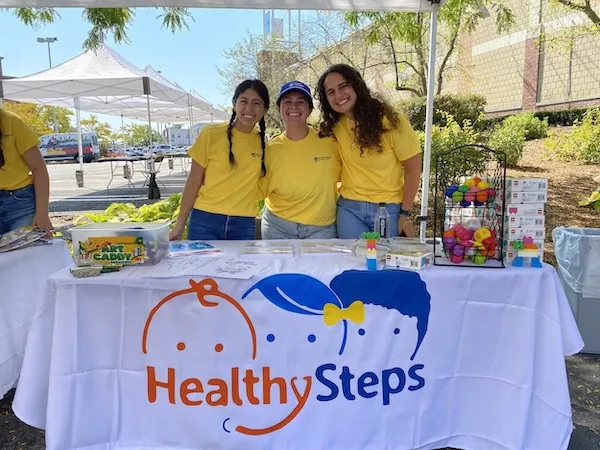
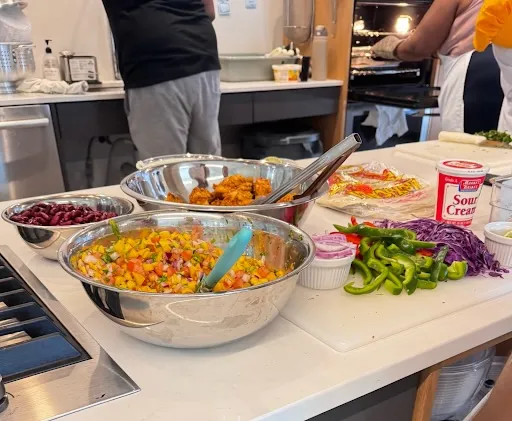
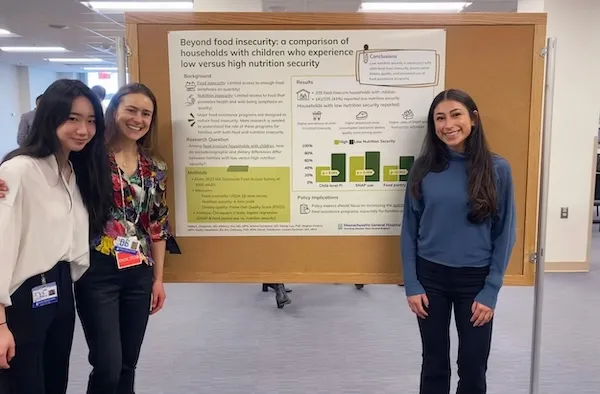
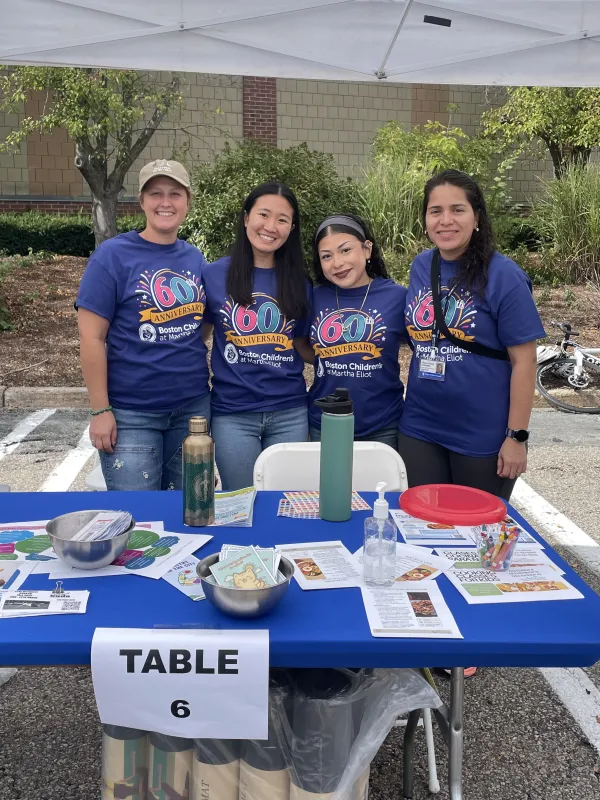
I recently volunteered at the Martha Eliot Health Fair alongside lab teammates Ariana Reynier Hernandez and Yunah Song, and Healthy in the City Coordinator Lexi Paterra. We distributed FAVORes recipes, including Grain Bowls, Yogurt Parfaits, Wraps, and Energy Bites, along with yoga mats and frisbees, while also connecting families with community programs and resources. The event featured a variety of family-friendly activities, including inflatable brain and lung exhibits, a bubble artist, and a teddy bear vaccination station where children could learn about vaccines through pretend play in a fun and welcoming environment. My favorite part of the day was helping translate for Spanish-speaking families so they could fully participate in the event and access resources without language barriers. It was rewarding to help make the experience more accessible for everyone and wonderful to see so many organizations come together to support children and families in our community.
Families had the opportunity to connect with a variety of community organizations and programs, including:
- Boston Children’s Hospital Critical Care Transport Team
- The Home Depot Kid Workshops
- Boston Children’s Hospital Labs of Cognitive Neuroscience
- The Basics Boston
- Boston Children's Hospital Asthma Clinic