Ruben Echemendia, PhD

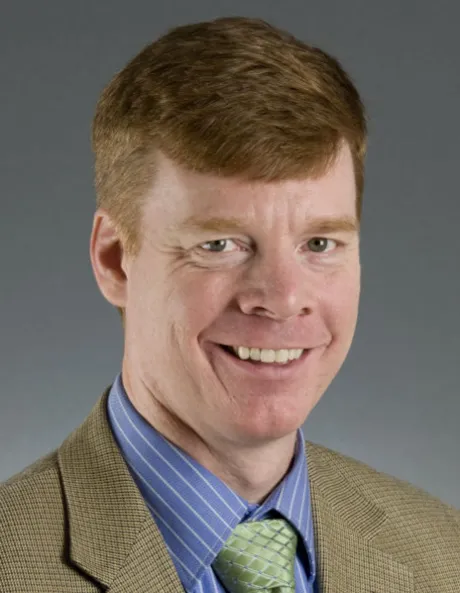
Ruben Echemendia, PhD

Dr. Ruben Echemendia is Co-Chair of the NHL/NHLPA Concussion Subcommittee, Chair of Major League Soccer's Concussion Program Committee, a consulting neuropsychologist to the US Soccer Federation, the U.S. Soccer National Teams, and Princeton University. He serves on the US Lacrosse Sports Science and Safety Committee, the NCAA Concussion Task Force, and the National Council on Youth Sports Safety. He has served as a consultant to a broad range of national and international organizations. Dr. Echemendia is a Past President of the National Academy of Neuropsychology and the Sports Neuropsychology Society, and a Fellow of the National Academy of Neuropsychology, the Sports Neuropsychology Society and the American Psychological Association. Dr. Echemendia is currently the Director of Comprehensive Concussion Care, a multidisciplinary concussion evaluation and management program at the University Orthopedics and Sports Medicine Department in State College, Pa. He has published widely and has made several television appearances in the area of sports concussion.

Kevin Guskiewicz, PhD, ATC

Kevin Guskiewicz, PhD, ATC

A member of the University of North Carolina’s faculty since 1995 and founding director of the Matthew Gfeller Sport-Related Traumatic Brain Injury Research Center and the Center for the Study of Retired Athletes, Dr. Guskiewicz was appointed UNC’s Chancellor in 2019. He is a nationally recognized expert on sport-related concussions and maintains an active research portfolio serving as co-principal investigator on two multi-center research grants. He has published over 200 peer-reviewed papers in the areas of sports medicine and neuroscience.

His team’s groundbreaking work has garnered numerous awards and has influenced concussion guidelines in the NFL and NCAA. In 2011, Guskiewicz received the prestigious MacArthur Fellowship for his innovative work on the diagnosis, treatment and prevention of sport-related concussions. In 2011, he convinced the NFL and NCAA to change the kickoff rule, which resulted in a 50% reduction in concussions on kickoffs. In 2013, Time magazine named him a Game Changer, one of 18 “innovators and problem-solvers that are inspiring change in America.”

Guskiewicz is the current President of Michigan State University.

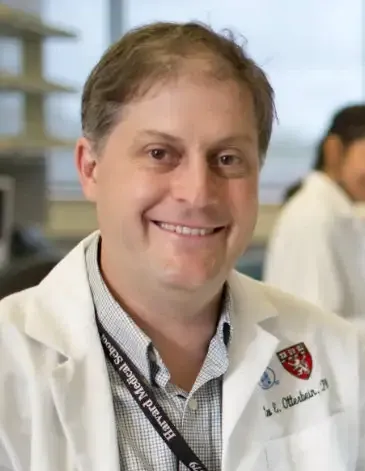
Michael McCrea, PhD, ABPP-CN

Michael McCrea, PhD, ABPP-CN

Dr. McCrea is Tenured Professor and Vice Chair of Research in the Department of Neurosurgery and Director of Brain Injury Research at the Medical College of Wisconsin, and a research neuropsychologist at the Clement Zablocki VA Medical Center in Milwaukee. He has been an active researcher in the neurosciences, with numerous scientific publications, book chapters, and national and international lectures on the acute and chronic effects of traumatic brain injury. Dr. McCrea has led several large, multi-center studies on traumatic brain injury and sport-related concussion. He is currently co-Principal Investigator of the NCAA-DoD Grad Alliance study. Dr. McCrea has served on the National Football League (NFL) Head, Neck, and Spine Committee and served as a panelist on the 2008, 2012, and 2016 International Consensus Conference on Sports Concussion.

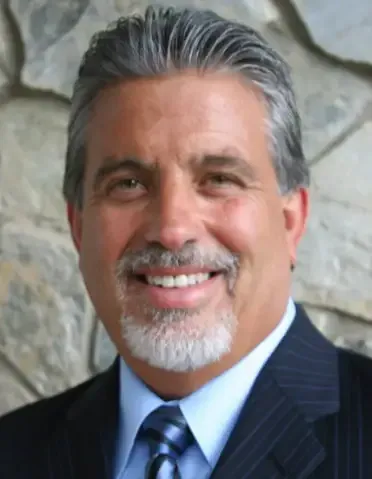
William P. Meehan III, MD

William P. Meehan III, MD

William P. Meehan III, MD, is Director of the Micheli Center for Sports Injury Prevention and Director of Research for the Brain Injury Center at Boston Children’s Hospital, and Principal Investigator (PI) of the Neurologic Function across the Lifespan: A LONGitudinal, Translational Study for Former National Football League Players (NFL-Long Study). He graduated from Harvard Medical School where he is currently an Associate Professor of Pediatrics and Orthopaedics. He conducts both clinical and scientific research in the area of sports injuries and concussive brain injury. His research has been funded by the National Institutes of Health, the Center for the Integration of Medicine and Innovative Technology, the National Football League Players Association, the National Football League, and the National Hockey League Alumni Association. He is the 2012 winner of the American Medical Society for Sports Medicine’s award for Best Overall Research. He has multiple medical and scientific publications, is author of the book "Kids, Sports, and Concussion: A Guide for Coaches and Parents and Concussions," and is co-editor of the book "Head and Neck Injuries in Young Athletes."

As PI of NFL-LONG, Dr. Meehan oversees the entire project, clinical studies and scientific studies. He coordinates all aspects of the subcontracts. In addition, Dr. Meehan and his colleague, Rebekah Mannix, MD, MPH, co-run the multidisciplinary traumatic brain injury research lab in which the studies of the effects of memantine, environmental enrichment, and various forms of PET imaging are being conducted.

Leo E. Otterbein, PhD

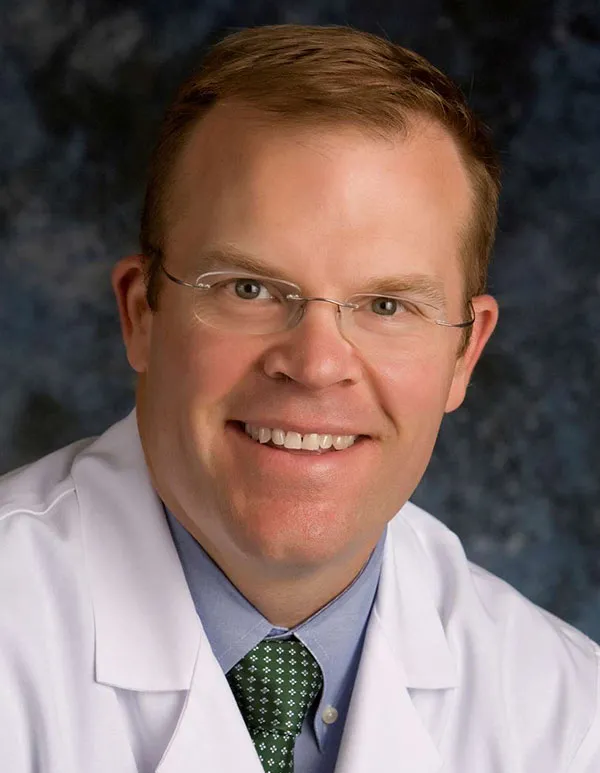
Leo E. Otterbein, PhD

Dr. Otterbein’s goal is to study carbon monoxide (CO) as a powerful innate defense molecule that regulates tissue cytoprotection and homeostasis. CO is generated endogenously by the enzyme heme oxygenase-1 (HO-1, Hmox1) as a stress response and influences cell proliferation and survival. Absence of HO-1 places the cell and animal at a distinct disadvantage with an astonishing sensitivity to increased morbidity and mortality in numerous pathophysiological situations including cancer. Administration of exogenous CO gas to HO-1 deficient animals rescues and effectively substituting for the absence of HO-1. Inhaled gas however, poses safety and technical challenges and thus development of alternative modes of delivering CO is essential. Remarkably, HBI-002, an oral formulation of CO has been shown to impart identical effects with that observed with CO gas. I bring academic and biotech experience in small molecule pharmacology and >18 years of unmatched insight and understanding of how CO functions in clinically relevant settings. The data my colleagues and I have generated in multiple preclinical models has led to the initiation of multiple phase II clinical trials and thus results from these studies may have immediate impact. We recently reported that CO is potently neuroprotective in models of stroke and traumatic brain injury. Importantly, HBI-002 is an enabling technology to safely and reliably deliver CO to NFL players either before play (game or practice) to protect the brain as well as after playing to treat therapeutically. CO imparts powerful anti-inflammatory and cellular preservation effects and can even promote tissue regeneration. Given that CO is a known neurotransmitter supports its role in optimal brain performance.