Principal Investigators

Richard Malley

Richard Malley, MD

Co-Principal Investigator, Contact PI

Dr. Malley is one of the world leaders in immune mechanisms of protection against pneumococcus. His research focuses on vaccine development and bacterial pathogenesis. He has been and remains funded by NIH, PATH and the Bill and Melinda Gates Foundation (BMGF). In collaboration with PATH and the BMGF, Dr. Malley led an international effort to develop a pneumococcal vaccine for developing countries. In 2014, he and collaborators Fan Zhang and Yingjie Lu founded Affinivax, a biotechnology company seed-funded by BMGF and based on the novel MAPS platform to develop vaccines for developed and developing countries, with an initial focus on S. pneumoniae. A 24-valent pneumococcal MAPS vaccine received breakthrough designation by the US FDA, is currently in Phase 2 in infants and was successfully studied in Phase 2 in older adults, with Phase 3 clinical trials to begin soon. 

Gregory Priebe, MD

Gregory Priebe, MD

Co-Principal Investigator

Dr. Priebe is an international expert on vaccines for Pseudomonas aeruginosa, a common cause of hospital-acquired infections and of chronic lung infections in people with cystic fibrosis.  His basic research laboratory in the Enders Research Building at Boston Children’s Hospital (BCH) studies bacterial infections and host defense, focusing on the Gram‐negative pathogens Pseudomonas aeruginosa and the Burkholderia cepacia complex, all with the overarching goal of developing vaccines and therapeutics for hospital‐acquired infections. A major focus of the lab, with funding from the NIH, DoD, and Cystic Fibrosis Foundation, is vaccine development for Pseudomonas aeruginosa, including live‐attenuated vaccines as well as multicomponent vaccines comprised of proteins that stimulate T cell‐mediated protection by Th17 cells, which are CD4+ T cells secreting the cytokine IL-17. 

Dr. Priebe also serves as Director of Research in the Division of Critical Care Medicine at BCH and as Director of BCH’s Translational Research for Infection Prevention in Pediatric Anesthesia and Critical Care (TRIPPACC) Program, a multidisciplinary group of investigators using whole‐genome sequencing of bacteria from clinical samples to explore transmission and the evolution of antibiotic resistance and pathogenicity. 

Tulane Kolls

Jay K. Kolls, MD

Co-Principal Investigator

Dr. Kolls has pioneered several areas of bio-medical research. His initial NIH support was related to mechanism by which ethanol abuse predisposes to bacterial pneumonia and his laboratory showed that ethanol can directly inhibit enzymatic cleavage and release of TNF-alpha contributing to impaired pulmonary host defenses. Moreover, he showed that this defect in TNF synthesis could be overcome by interferon-gamma treatment in macrophages. 

Building on further understanding mechanisms of pulmonary immunity, Kolls began exploring host defenses against the major pulmonary pathogen causing pneumonia in HIV infected hosts, namely Pneumocystis. Kolls has made seminal insight to both innate and adaptive immunity to this pathogen. His lab showed that the in vivo administration of interferon-gamma has therapeutic efficacy in CD4+ T-cell depleted mice that otherwise permissive to this infection. He showed that this effect was mediated by interferon-gamma producing CD8+ T-cells that are recruited by a CXCR3 dependent mechanism. In a landmark cover paper in the Journal of Experimental Medicine, Kolls and colleagues showed that Pneumocystis is phagocytosed in killed through the Dectin-1 b-glucan receptor. CD8+ T-cells that have effector activity against Pneumocystis have augmented GM-CSF production which can upregulate Dectin-1 dependent killing of the organism. 

Research Project 1 (Staphylococcus aureus vaccines)

Fan Zhang, PhD

Fan Zhang, PhD

Project Lead

Dr. Zhang is an Assistant Professor at Harvard Medical School and Boston Children’s Hospital. She earned her doctoral degree in Biophysics, followed by postdoctoral training in molecular and structural biology, bacteriology, and vaccinology. Her current research focuses on host defenses against microbial pathogens and vaccine development. Dr. Zhang is a co-inventor of the Multiple-Antigen-Presenting System (MAPS), an innovative vaccine platform that enables the induction of diverse humoral and cellular responses against polysaccharide and protein antigens. As PI or co-investigator, she designed and tested MAPS vaccines targeting several challenging bacterial pathogens, including Streptococcus pneumoniae, Mycobacterium tuberculosis, Salmonella Typhi and Paratyphi A, Staphylococcus aureus, Group A and B Streptococcus, and Pseudomonas aeruginosa. Multiple MAPS vaccine candidates demonstrated robust immunogenicity in animals and showed promising protection in preclinical infection models against these pathogens. Furthermore, as a clinical proof-of-concept, a 24-valent pneumococcal MAPS vaccine has completed Phase 1 and 2 clinical trials and is now moving toward a Phase 3 trial in older adults (ClinicalTrials.gov Identifier: NCT03803202). In addition to vaccine development, Dr. Zhang is also interested in using the MAPS platform as a tool to analyze the roles and interactions of various immune elements, such as antibodies, CD4, CD8, and gdT cells, in host defense against specific pathogens or infections. 

Yingjie Lu, PhD

Yingjie Lu, PhD

Co-Investigator

Dr. Lu is an assistant professor in Pediatrics at Harvard Medical School and Boston Children’s Hospital. His research focuses on the study of pathogenesis and vaccine development for important pediatric pathogens, such as Streptococcus pneumoniaeSalmonella Typhi, Salmonella paratyphi, and Staphylococcus aureus. Dr. Lu is a co-inventor of the Multiple-Antigen-Presenting System (MAPS) and a scientific co-founder of Affinivax, which was later acquired by GSK. Dr. Lu has received grants from NIH and the Bill and Melinda Gates Foundation and has published over 50 original articles. 

David McCulloch

David McCulloch, PhD

Postdoctoral fellow

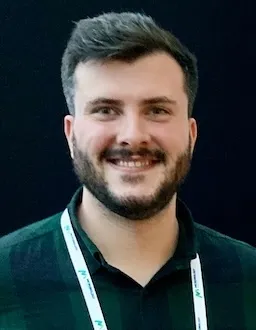
David is an immunologist and microbiologist with expertise in vaccine-induced humoral and cellular responses. He began his position as a Postdoctoral Research Fellow in the Lu-Malley-Zhang lab group in 2023 where his works focus on characterizing the protective immune responses induced upon MAPS immunization. David received his PhD from the University of Bath where we worked on a collaborative project with GSK Vaccines to develop and characterize novel vaccine antigens against B. pertussis.

Sheya Xiao

Xiao "Sheya" Ma, PhD

Postdoctoral fellow

Sheya is a research fellow in the Lu-Malley-Zhang Lab at BCH. Her research interests center on the pathogenesis and host-microbe interactions of antibiotic-resistant bacterial pathogens. She received her PhD in Microbiology from New York University, where she studied the inhibitory effect of the polysaccharide capsule on the natural transformation of S. pneumoniae. She joined the Lu-Malley-Zhang Lab in 2025, and her current work focuses on elucidating the spatial organization and molecular signatures of the S. aureus MAPS vaccine-induced adaptive cellular immune network. 

Gena Huang

Gena Huang, BA

Research associate

Gena Huang is a Research Assistant at the Lu-Malley-Zhang Lab at Boston Children’s Hospital. She obtained a B.A. from Middlebury College and majored in molecular biology and biochemistry with a minor in global health. Her main area of research is characterizing protective immunity from MAPS immunization targeting S. aureus.

Research Project 2 (Pseudomonas aeruginosa vaccines) 

Gregory Priebe, MD

Gregory Priebe, MD

Project Lead

Matthew Schaefer

Matthew Schaefers, PhD

Co-Investigator

Dr. Matthew Schaefers is an Assistant Professor at Harvard Medical School/Boston Children’s Hospital. He earned his PhD in Experimental and Clinical Pharmacology from the University of Minnesota, followed by postdoctoral training with Dr. Stuart Levy at Tufts University School of Medicine. He subsequently joined the laboratory of Dr. Gregory Priebe at Boston Children’s Hospital, where his work has focused on the development of vaccines to prevent Pseudomonas aeruginosa infections. Dr. Schaefers’ research program also includes the development of anti-virulence therapeutics and investigations into the evolution of bacterial pathogens during chronic infection.

Geert-Jan Boons

Geert-Jan Boons, PhD

Co-Investigator

Dr. Boons is the UGA Foundation Distinguished Professor in Biochemical Sciences at the Department of Chemistry and the Complex Carbohydrate Research Center (CCRC) of the University of Georgia (USA) and Professor and Chair of the Department of Medicinal and Biological Chemistry of Utrecht University (The Netherlands). Among others, he has received the Creativity in Carbohydrate Science Award by the European Carbohydrate Association (2003), the Horace Isbell Award by the American Chemical Society (ACS) (2004), the Roy L. Whistler International Award in Carbohydrate Chemistry by the International Carbohydrate Organization (2014), the Hudson Award (2015), and the Cope Mid-Career Scholar Award from ACS (2016). His group is developing methods for synthesizing exceptionally complex glycans and glycoconjugates that are being used for biological and biomedical explorations with a focus on immunology.

Elizabeth Norton

Elizabeth Norton, MPH, PhD

Co-Investigator

Dr. Norton is an Associate Professor in the Department of Microbiology & Immunology at Tulane University. She is an immunologist with 20 years of experience in evaluating immunity, vaccines, and microbial infections. Dr. Norton began her training at the Centers for Disease Control (CDC) and then completed a Masters in Public Health and PhD in Biomedical Sciences at Tulane University.  Her research focus includes immunity in special populations and design of novel therapeutics which has and is supported through numerous NIH grants and contracts as well as Non-profit foundations. She has pioneered development of novel nasal and oral adjuvant platforms targeting fentanyl intoxication or infections such as poliovirus, enteric bacteria, Klebsiella pneumoniae and influenza. Several of these are currently progressing through clinical trials through private funding or governmental sponsorship. 

Erin Sanders

Erin Sanders, PhD

Postdoctoral fellow

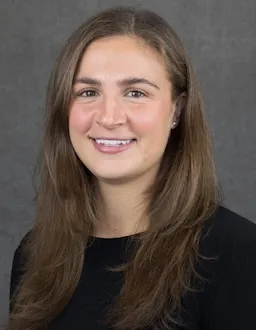
Dr. Erin Sanders is a cellular biologist with expertise in innate immune signaling, endothelial cell biology, and inflammatory disease mechanisms who joined Dr. Priebe’s Lab as a Postdoctoral Research Fellow. Dr. Sanders completed her PhD in Genetics, Molecular, and Cellular Biology at Tufts University, where she trained in the Department of Immunology under the mentorship of Dr. Pilar Alcaide. Her doctoral research focused on defining the role of endothelial Stimulator of Interferon Genes (STING) signaling in vascular inflammation, tissue remodeling, wound healing, and systemic inflammatory responses. Using a combination of in vivo models, primary cell culture, flow cytometry, transcriptomic analysis, and molecular approaches, her work has led to a first-author publication and multiple awarded national conference presentations. Her research interests center on immune mechanisms of action and their role in inflammatory disease and their ability to be therapeutically targeted.

Faceless Avatar - Male

Leo Sullivan

Research associate

Leo Sullivan is a research assistant in the Priebe Lab. He graduated from Bates College in 2025 with a major in Biology and a Human Body concentration, where he completed a senior thesis and gained hands-on research experience in microbiology. Leo has previously worked in labs at Bates and Boston University. Leo competed on the rowing team at Bates and continues to love to spend his time outdoors, rowing, rock climbing, and appreciating nature.

Research Project 3 (Klebsiella pneumoniae vaccines)

Tulane Kolls

Jay K. Kolls, MD

Project Lead

Janet McCombs

Janet E. McCombs, PhD

Co-Investigator

Dr. McCombs joined the Tulane University faculty as an Assistant Professor in August 2019. She earned her PhD in Biochemistry from the University of Colorado Boulder and completed postdoctoral training at UT Southwestern Medical Center in Dallas, TX, followed by work as a scientist at the vaccine development company Affinivax in Cambridge, MA. At Tulane, Dr. McCombs works within the Center for Translational Research in Infection and Inflammation studying mucosal host responses to bacterial pneumonia. Her overall goal is to leverage these insights to develop novel vaccines and immunotherapies for infectious diseases, with an initial emphasis on Klebsiella pneumoniae. She is also interested in understanding biological sex differences in host responses to infection to inform therapeutic development.