Every child with ADHD is different. Their care should be too.
ADHD is one of the most common conditions of childhood: about 1 in 9 children in the U.S. has been diagnosed. But two children with the same diagnosis can look completely different. They have different strengths, different struggles, and different responses to the same treatment.
At the Arnett Lab, we study how children's brains, genes, and everyday lives shape ADHD. Our goal is to move toward a future where ADHD care is more precise, more personalized, and better suited to each child's unique needs.

What we're working toward
Understanding what makes each child unique
ADHD is not the same for every child. We investigate whether differences in brain activity, genetics, problem solving, and behavior can explain why children experience ADHD in different ways. Understanding this variation is an important step toward developing care that better reflects each child's needs.
Catch ADHD earlier
ADHD often isn't diagnosed until age 7 or later, after a child may already have struggled in school and with friends. We look for early signs in babies' brain activity, toddlers' development, and family genetics that could help families and pediatricians act sooner.
Find the right care for each child
Both behavioral interventions and medications can support children with ADHD to be their best selves, but the best therapy for one child may not be the best for all. We measure brain activity with EEG, a safe and painless test using a soft cap of sensors, and study genetics to find clues that could one day help clinicians choose the best treatment for each child.
Bring new tools into everyday pediatric care
Most families first raise concerns with their pediatrician rather than a specialist. Our newest studies test whether brain and genetic testing can work smoothly in community clinics, so these tools reach families where they already receive care.
Support the whole family
ADHD affects the whole household. We study what helps families day to day, from managing screen time to understanding how families in different communities think about ADHD and what gets in the way of getting help.
What we've learned

ADHD and anxiety can look alike, but the brain can tell them apart
Children with ADHD and children with anxiety can both have trouble paying attention. Our EEG research found that the brain processes behind that inattention overlap in some ways and differ in others, a step toward more accurate diagnosis (Journal of Attention Disorders, 2026).
Self-control skills may protect kids at risk
In a large national study, children with stronger self-control skills were less likely to develop ADHD symptoms, even when ADHD ran in their family (Research on Child and Adolescent Psychopathology, 2024).
Get involved
We are deeply grateful to the families who make this work possible. Whether through participation in laboratory studies, piloting new interventions, completing interviews, or simply spreading the word about our work, their contributions help us better understand ADHD and the many ways children develop.
For everyone
Learn with us
Watch Answers Through Research, our video series where Drs. Arnett and Peisch turn ADHD research into everyday tips. You'll also find free Boston Children's ADHD guides for parents of preschoolers through middle schoolers, and our seasonal newsletter.
Meet Dr. Arnett
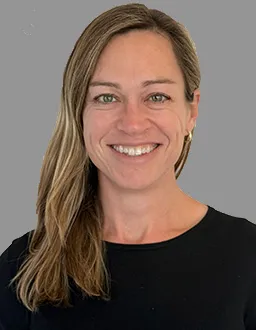
Anne B. Arnett, PhD, is a clinical psychologist and Scientist in the Division of Developmental Medicine at Boston Children's Hospital, where she is the Wade Family Investigator in Child Psychology. She is also an Assistant Professor of Pediatrics at Harvard Medical School. Her team is part of the Laboratories of Cognitive Neuroscience.
Meet our team. Learn about our team and the scientists working to better understand childhood ADHD.
Get in touch
Questions about our research or interested in learning more? Email ArnettLab@childrens.harvard.edu or call 617-919-7772.